Mid Day Meal Scheme Guidelines: Complete PDF Guide & PM Poshan Menu Details
📋 Table of Contents (click to collapse)
Introduction to the National School Nutrition Initiative
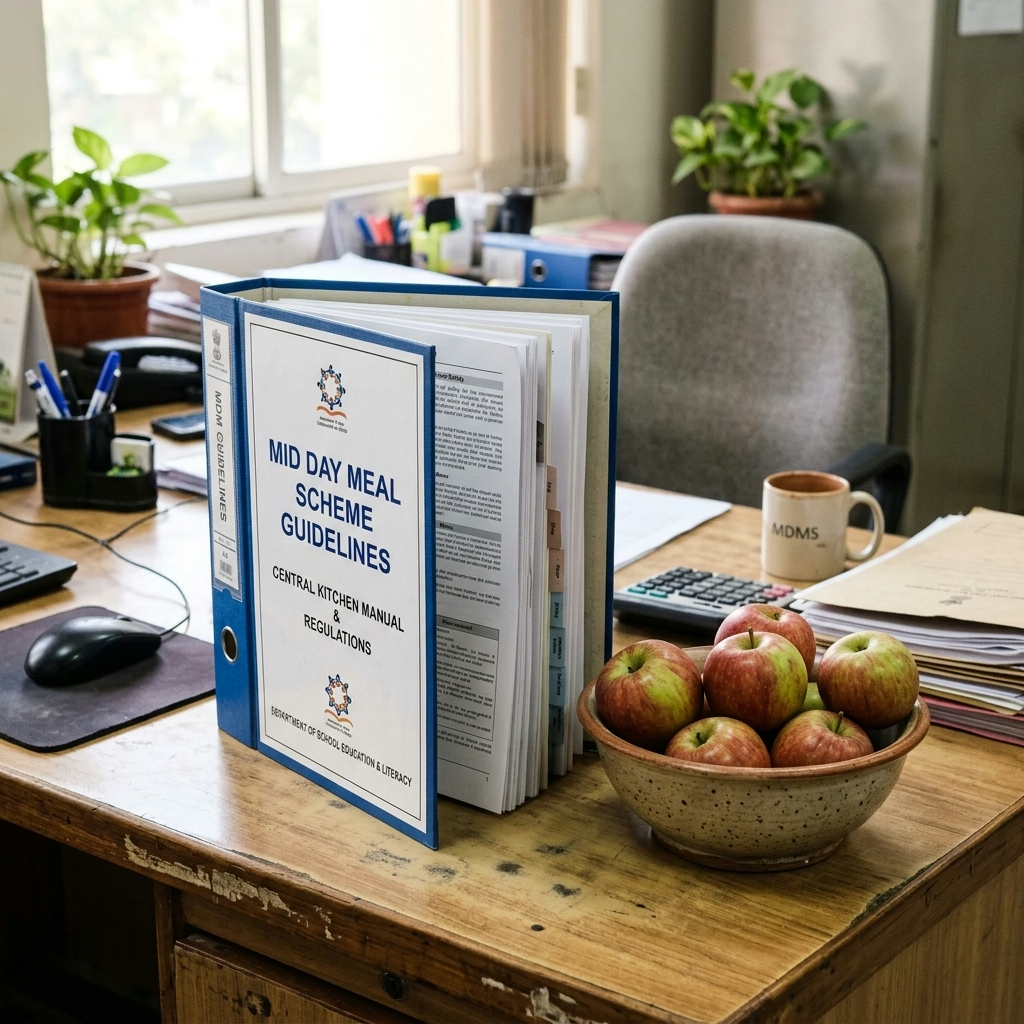
Malnutrition and classroom hunger are two of the biggest barriers to universal education in developing nations. To address these critical issues, the Government of India launched one of the world's largest school feeding programs. The public knows this initiative nationally as the Mid Day Meal (MDM) Scheme, recently restructured as PM POSHAN. For school administrators, teachers, and cooks, managing this daily service is an essential part of the school routine. Understanding the administrative rules of this program requires consulting the official guidelines document, which the department distributes as the mid day meal scheme pdf handbook.
The program covers all government and government-aided schools, providing a free cooked meal to millions of children daily. Over the years, the program has evolved from simple dry food distribution to hot-cooked meals that cooks prepare under strict hygiene standards. If you are setting up MDM operations in a newly recognized school, we highly recommend that you read the mid day meal scheme guidelines. The document outlines the roles of teachers, cooks, and local self-help groups in maintaining the safety and quality of the food you serve on school premises.
Maintaining accurate, daily records is a key administrative requirement. The department tracks the distribution of foodgrains, cooking costs, and student attendance to ensure transparency. Every school must upload its daily consumption report to the central database, which helps prevent leaks and ensures timely replenishment of grains. In this guide, we will provide a comprehensive overview of the program guidelines, discuss nutrition standards, and explain how to submit report logs on the national database dashboard.
- Policy Manual: Download the official mid day meal scheme pdf files for your state.
- Operational Rules: Read the updated mid day meal scheme guidelines for cooking costs.
- Program Registry: The department registers schools under the updated pm poshan scheme database.
- Reporting Tool: Submit daily logs on the mdm scheme dashboard portal.
Downloading the Official Mid Day Meal Scheme PDF
For school principals and self-help groups, having direct access to the official regulations is necessary. The policy covers complex topics—including grain storage rules, kitchen hygiene audits, and payment structures for cooking staff. To verify these rules, administrators should download the official mid day meal scheme pdf handbook. The department updates this file annually to reflect changes in food inflation and grain allocations.
The department divides the PDF document into multiple chapters for easy reference. The first section outlines the historical objectives and legal frameworks of the program. The next section details the funding split between the central and state governments. The third section covers the exact nutrient requirements for primary and upper primary students, while the final section contains the formats for monthly reporting registers. Keeping a copy of this document on your phone or office computer helps resolve disputes during audits.
To download the latest version of the handbook, navigate to the official PM Poshan portal. Avoid downloading files from unverified third-party websites, as they may contain outdated payment rates or cooking cost calculations. By referencing the official mid day meal scheme guidelines, school management committees can ensure they are paying the correct honorarium to cooks and procuring fresh vegetables within the allocated state budget.
Understanding the PM Poshan Scheme Core Directives
In September 2021, the government rebranded and restructured the school feeding program. We now know the initiative as the pm poshan scheme, which stands for Pradhan Mantri Poshan Shakti Nirman. The government restructured the program to bring a stronger focus on nutrition levels, local farming partnerships, and community auditing. Under the updated framework, schools are encouraged to build school nutrition gardens to grow fresh vegetables locally.
The revised guidelines also introduce the concept of "Tithi Bhojan," which encourages community participation. Under this rule, local citizens can provide special meals to school children on birthdays, festivals, or family milestones. These community-provided meals must still follow the safety and quality standards defined in the mid day meal scheme guidelines. The program also emphasizes using fortified foodgrains, such as iron-fortified rice, to combat widespread anemia among school-going children.
For data entry operators, the transition to the new database requires updated form mapping. The monthly reports must now reflect the source of vegetables, the implementation of nutrition gardens, and the number of community meals you serve. If you are entering these details, make sure you verify the records on the mdm scheme dashboard to ensure your school's compliance rating stays high in the district rankings.
School Nutrition Program Standards and Menu Charts
The primary goal of any school nutrition program is to improve the health metrics of growing children. This means you must serve meals that are more than just filling; they must contain the correct balance of proteins, carbohydrates, and essential micronutrients. To achieve this, the department sets strict nutritional benchmarks for primary (Classes 1–5) and upper primary (Classes 6–8) students.
Let us look at the nutritional standards comparison:
| Category | Calorie Requirement | Protein Requirement | Foodgrain Weight (Per Child) |
|---|---|---|---|
| Primary (Class 1–5) | Minimum 450 Calories | At least 12 Grams | 100 Grams per day |
| Upper Primary (Class 6–8) | Minimum 700 Calories | At least 20 Grams | 150 Grams per day |
To ensure that schools meet these nutritional targets, every school must display a weekly mid day meal menu chart on the school notice board. This chart outlines what dish you serve on which day. For example, a standard menu might serve Dal and Rice on Mondays, Vegetable Pulav on Tuesdays, Egg or Soyabean curry on Wednesdays, and Kheer on Saturdays. The menu chart ensures variety and keeps children excited about their daily lunch. The school management committee can make adjustments to the menu based on local seasonal availability, provided they maintain the nutritional standards.
Completing Records on the MDM Scheme Dashboard
With schools serving millions of meals daily, preventing leakage and ensuring timely supplies is a massive administrative task. To manage this scale, the government uses a digital database system. The government gives every school access to a regional portal connected to the central mdm scheme dashboard. School coordinators must log in to this portal daily to submit their meal distribution reports.
Let us look at the steps for daily report submission:
- Access your state's MDM portal and enter your school's login credentials.
- Open the daily entry form and input the total number of students present.
- Enter the exact number of meals you served in the primary and upper primary categories.
- Log the quantity of foodgrains used (in kilograms) and any cooking cost expenses.
- Click "Submit" to upload the daily record to the central mdm scheme dashboard.
If you fail to upload these daily logs, the system will temporarily suspend grain allocations for the following month. The database runs logical checks against the school's general UDISE attendance data. If your school records show 50 students present in UDISE but your MDM log shows that you served 70 meals, the system will flag the entry for review. This integration helps maintain high transparency across the entire school nutrition program network. By keeping your daily logs updated, you can prevent grain shortages and ensure that cooks serve hot, cooked meals to every child throughout the academic session.
ic session.Udise Plus Student (SDMS) Login Module (State Wise)
❓ Frequently Asked Questions (FAQs)
Here are the most common questions people ask about Mid Day Meal Scheme Guidelines: Complete PDF Guide & PM Poshan Menu Details.
✅ Conclusion
The mid day meal scheme pdf stands as a vital policy document for school headmasters and coordinators across India. By understanding the core guidelines, implementing the standard school nutrition program rules, and maintaining a balanced mid day meal menu chart, schools can contribute directly to student development. Ensure that you record daily meal serves accurately on the mdm scheme dashboard under the updated pm poshan scheme framework. Accurate records prevent delays in grain allocations, keeping this massive food security program operating smoothly.