How to Add New Appointed Teachers & Generate PEN in UDISE Plus Teacher Module
📋 Table of Contents (click to collapse)
- Introduction to Teacher Roster Management in UDISE Plus
- Step-by-Step Guide to Registering a Newly Appointed Teacher Online
- How to Generate a Teacher Permanent Education Number (PEN)
- Importing and Mapping Existing Teachers from Other Schools
- Updating Service Profiles, Qualification Details, and Training Hours
- Resolving Common Teacher Verification Errors and BRC Rejections
- Frequently Asked Questions (FAQs)
Introduction to Teacher Roster Management in UDISE Plus
Managing the school's teaching staff roster is a vital administrative duty under the UDISE Plus framework. The Teacher Module tracks teacher details, training histories, teaching subjects, and designations. When a new teacher joins your school, you must register their profile in the database. To do this, you must know how to add new teacher in udise plus. This process registers the teacher and generates a permanent teacher education number (PEN) for staff tracking.
The registration of newly appointed teachers is essential for calculating student-teacher ratios (PTR) and monitoring teacher deployments. If your roster is not updated, the database will flag your school profile during validation. In this comprehensive guide, we will provide a step-by-step walkthrough of the teacher registration process, including service profile entry and PEN generation, helping you learn how to add new teacher in udise plus without errors.
Step-by-Step Guide to Registering a Newly Appointed Teacher Online
Before you start the registration process, ensure that you have all the required documents. You will need the teacher's official joining letter, verified Aadhaar card, educational qualification certificates, and training records. Having these physical documents organized on your desk makes the online entry quick, showing you how to add new teacher in udise plus online.
Log into the UDISE+ Teacher Module using your school's 11-digit UDISE code and password. On the main dashboard, select the Teacher Roster card. The screen will display your active staff list. If you are adding a fresh recruit who has never been registered in UDISE+, select the option Add Newly Appointed Teacher. This opens the registration form, the first step when you learn how to add new teacher in udise plus.
Required Roster Parameters Mapping Matrix
| Teacher Roster Action | Required Documents | PEN Generation Status | Portal Verification Level |
|---|---|---|---|
| Fresh Registration | Joining letter, Aadhaar, degree copies | Generates new Teacher PEN online | BRC coordinator backend approval |
| Import from Other School | Relieving order, active Teacher PEN | Preserves existing Teacher PEN | Local school principal dashboard approval |
How to Generate a Teacher Permanent Education Number (PEN)
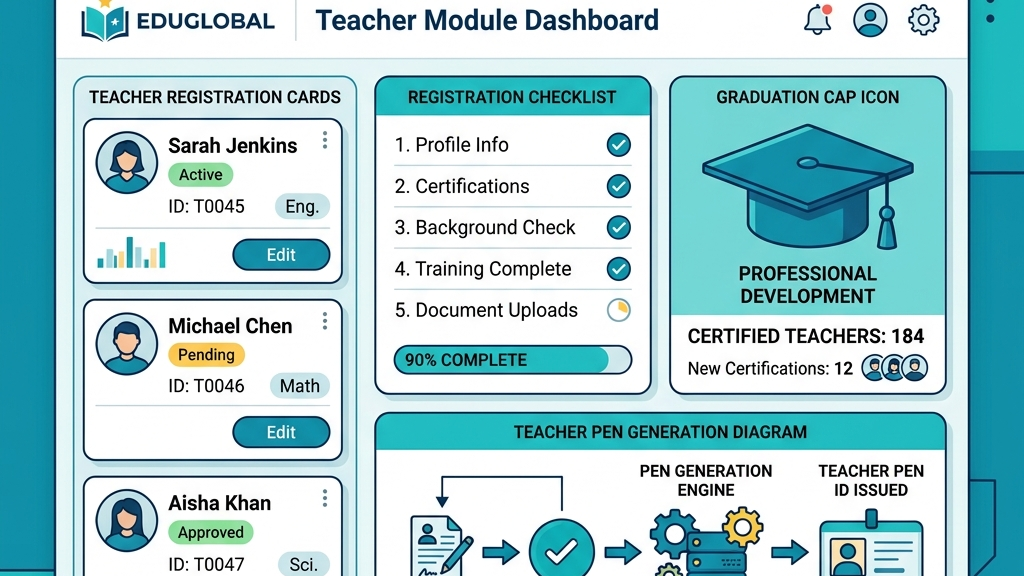
Generating the Permanent Education Number (PEN) for teachers is an automated process. When you submit the teacher's profile for the first time, the portal validates the Aadhaar details against the UIDAI database. If the validation is successful, the portal generates a unique 11-digit Teacher PEN. This PEN remains linked to the teacher throughout their career. Knowing this is important when you learn how to add new teacher in udise plus.
The Teacher PEN allows the department to track teacher service profiles, transfers, and training logs across different schools. If a teacher transfers to another school, the new school principal can import their profile using this Teacher PEN, eliminating the need to create a fresh registration. This makes the database clean, showing the benefit of knowing how to add new teacher in udise plus.
Accessing the Teacher Module Dashboard
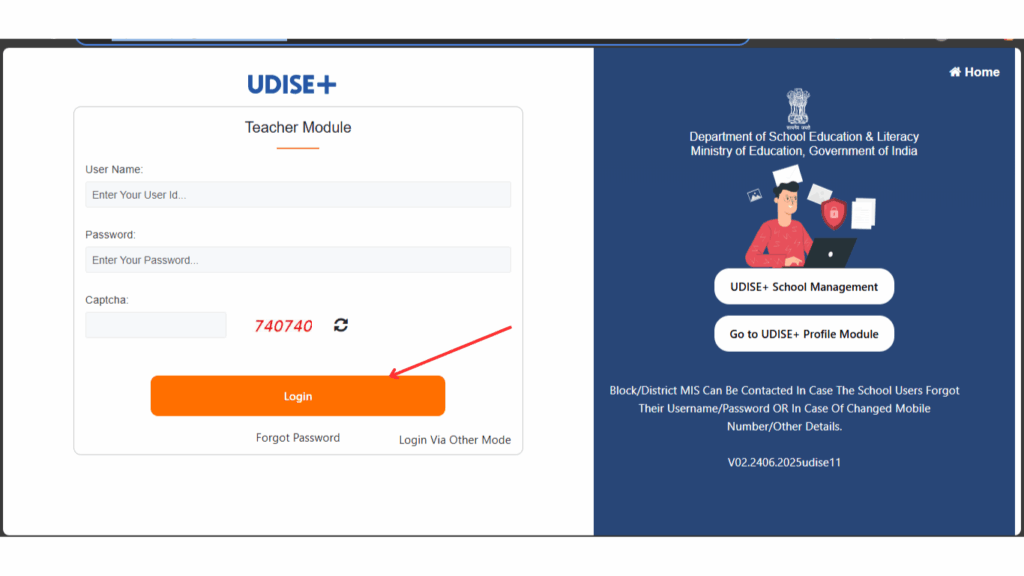
Figure 1: The teacher login interface where teachers are added or imported.
Importing and Mapping Existing Teachers from Other Schools
If a teacher joining your school was previously registered in another school, you must not create a new profile. Doing so creates duplicate entries, violating database rules. Instead, you must import their active profile. To do this, navigate to the Teacher Module dashboard and select Import Teacher. Enter the teacher's Permanent Education Number and their Date of Birth, illustrating how to add new teacher in udise plus via transfer.
Click Go to fetch the profile details from the national pool. Verify the teacher's name and previous school details. Enter the new date of joining, designation, and nature of appointment in your school. Click Import to save the profile. The teacher's name will now appear on your active staff roster, completing the transfer process, which is the official method when you need to know how to add new teacher in udise plus.
Teacher PEN Registration Steps
- Log into the UDISE+ Teacher Module using school credentials.
- Select the Teacher Roster Dashboard.
- Click on Add Newly Appointed Teacher to open the profile form.
- Fill in the teacher's service details, training log, and qualification fields.
- Submit the profile to generate a permanent Teacher PEN on the portal.
Updating Service Profiles, Qualification Details, and Training Hours
Updating the teacher's service profile is the final step. The profile contains three main sections: General Profile, Professional Profile, and Training Details. Open each section and fill in the fields, including teaching subjects, class assignments, and training hours. Reporting on these details is mandatory under national policies. It helps the department evaluate school staffing levels, showing why you must know how to add new teacher in udise plus.
Ensure that you log the teacher's qualifications correctly. If a teacher has undergone vocational training or digital classroom training, record these details in the training tab. The system validates that the designated teaching class. Click save at the end of each section to finalize the profile, confirming the process to add new teacher in udise plus is complete.
Teacher Registry Roster
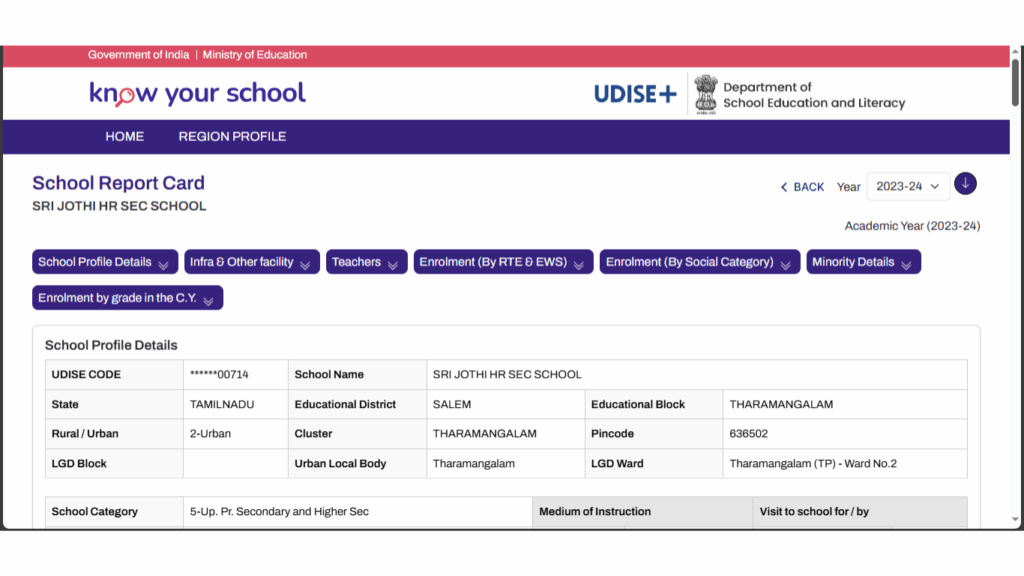
Figure 2: Viewing the updated active teacher listing dashboard after successful entry.
Resolving Common Teacher Verification Errors and BRC Rejections
Resolving validation errors is common when updating the teacher roster. If the Aadhaar validation fails, check that the name spelling in the portal matches the physical Aadhaar card exactly. If the error persists, contact the block resource coordinator. The BRC officer can unlock profiles and resolve registry blocks, helping you complete the steps to add new teacher in udise plus.
After resolving all validation errors, review the teacher list on your dashboard. Ensure that all teacher profiles display a 'Complete' status flag. Download the final teacher roster summary report for your school records. Having this updated registry ensures audit compliance and prepares your school for the annual data freeze, completing your tasks to add new teacher in udise plus successfully.
Staff Roster Best Practices Checklist
- Ensures school staff records are compliant with educational norms.
- Enables mapping of subject teachers to their respective classes.
- Speeds up processing of salary increments and service book validations.
- Maintains clean pupil-teacher ratio records for state audits.
To add new teacher in udise plus, you must verify that the teacher's name matches their official service book details. Mismatches between the service book spelling and the Aadhaar database will cause demographic verification queries to fail. MIS operators should check these/spellings before they attempt to add new teacher in udise plus online.
Furthermore, when running the add new teacher in udise plus, the system validates the teacher's mobile number. The mobile number must be unique and cannot be linked to another active teacher profile on the database. Using a duplicate number will cause validation blocks, so verify the contact details before you add new teacher in udise plus.
It is also worth noting that the option to add new teacher in udise plus is locked once the school finalization data freeze is saved. Once frozen, any edits to the teacher roster will require formal unlock approval from the block coordinator. Administrators should complete all staff updates before freezing, ensuring a smooth add new teacher in udise plus workflow.
For schools that hire part-time vocational trainers, their profiles must also be updated in the database. The portal tracks vocational trainer qualification categories separately. Select the appropriate options in the designation dropdown to map vocational staff correctly when you add new teacher in udise plus.
We recommend that school coordinators keep a physical log file of all teacher PENs. Having a printed sheet containing the teacher names, PEN numbers, designations, and dates of joining helps in resolving directory queries during block inspections and provides a reliable reference to add new teacher in udise plus during transfer imports.
In addition to the database verification, school authorities must emphasize administrative training for their staff. Managing state-wide educational registries requires familiarity with national data capture formats. Nodal officers should participate in block-level workshops conducted by the district educational department. These workshops cover details of student enrollment variables, facilities management reporting, and compliance requirements under the National Education Policy.
Furthermore, keeping physical records filed in the school office is highly recommended. Photocopies of Aadhaar cards, birth certificates, parent consent slips, and board affiliation registers should be organized in individual student files. Having this offline directory makes it easy for coordinators to verify demographics if a mismatch alert occurs, reducing manual entry mistakes and audit delays.
Always keep a backup log of portal transactions and modifications. In case of database sync failures, the technical support team will require transaction IDs or screenshots to resolve the issue from the backend server. Maintaining this log protects the school from data loss and ensures that progression lists can be finalized smoothly during the annual term deadlines.
School management should also cooperate with the district MIS coordinator to resolve any technical blocks that cannot be resolved through the school portal interface. The block coordinator has administrative overrides to reset credentials, delete duplicate profiles, and transfer active records from closed or unrecognized schools.
By establishing these compliance habits early in the academic session, schools can avoid the peak period rush and ensure error-free submissions. A clean database registry is vital for securing national funding, maintaining educational statistics, and ensuring student eligibility for scholarship payouts.
The synchronization of records between the state portals and the national database is scheduled at regular intervals, usually at midnight. During this sync window, updates made to student profiles are validated and propagated across all active modules. If you make modifications during school hours, the changes will not be visible on the public dashboard immediately. We advise school operators to wait at least 24 hours before checking the status of updated student registries to ensure the sync cycle has completed.
Data entry operators should also pay close attention to the school directory configurations. If the category of the school is incorrectly mapped (for example, primary school mapped as upper primary), the portal will throw system validation errors during data submission. Any category or management changes must be submitted via an official application to the District Education Officer for backend correction.
To optimize the speed of the portal during peak hours, it is helpful to disable browser extensions and clear the browser cache regularly. Heavy traffic on the UDISE+ servers can cause the page to freeze or fail to save data. Working during early morning hours (before 9 AM) or late evening hours (after 7 PM) is highly recommended for smooth, uninterrupted data entry.
Under the new guidelines of the Ministry of Education, student progress tracking has become more rigorous. The system tracks learning outcomes, attendance percentages, and retention rates across all state boards. This unified tracking helps in identifying areas with high dropout rates, enabling the government to direct resources and infrastructure grants to schools that need them the most.
For schools located in remote or rural regions with limited internet connectivity, the department provides offline Excel templates (Data Capture Format sheets). Teachers can fill in the student profiles offline in these sheets and then upload them in bulk when a stable connection is available. This offline option is a major benefit for rural administrators.
The role of block coordinators (BRC) and cluster resource coordinators (CRC) is critical in maintaining the quality of education statistics. They act as the first line of audit, checking school records for anomalies, duplicate entries, or missing data points. Before finalizing your school profile, ensure that you have cleared all queries raised by your local CRC officer.
In case of a duplicate profile warning where the active record belongs to an unrecognized private school, the BRC coordinator can issue a force-migration command. Since unrecognized schools do not have active portal credentials, their student profiles must be managed directly by the block education office to prevent students from losing their PEN history.
The implementation of the automated APAAR ID card is another major step under the National Education Policy 2020. This card acts as a lifelong digital credit registry for students, storing their academic credits, exam certificates, and co-curricular achievements. For the APAAR card to be generated, the student's UDISE profile must be verified and linked to their Aadhaar.
Always verify that the student's mother tongue code matches the linguistic list of the state. Selecting incorrect codes can trigger reporting anomalies during national audits, which affects language education grant distributions. Refer to the official state code index sheet before entering details in the General Profile.
If a student's parents do not possess an Aadhaar card, the school should guide them to the nearest enrollment center or post office. In the meantime, the portal allows you to enter the Aadhaar enrollment slip number as a temporary bypass to save the student's profile, though permanent verification will still be required before final term submission.
To maintain data security, the portal locks profile edits once the data finalization sheet is signed and submitted. Any subsequent corrections will require formal approval from the district DIET office, which can take several weeks. Therefore, class teachers must run a thorough manual review of all profiles before clicking the final submission button.
School management committees should review the UDISE+ school report card annually to check progress on key performance indicators. The report card highlights areas of strength and weakness, such as student-teacher ratios, toilet availability, drinking water facilities, and digital classrooms, helping the school plan its infrastructure budget.
The portal also features a dedicated helpdesk for resolving technical glitches and login blocks. Nodal officers can submit helpdesk tickets directly from their dashboard or contact the state helpline numbers. Keep a record of your ticket numbers to track resolution progress.
By participating in annual database audits, schools contribute to the accuracy of the National Education Report. This report is used by policymakers to design education policies, distribute funds, and monitor progress towards sustainable development goals in education, making UDISE+ data entry a task of national importance.
Administrative Audits and Portal Security Guidelines
- To ensure that your school directory records are accurate and complete, school management should conduct periodic audits on the database.
- These audits should match name spelling, date of birth details, and portal registrations to prevent validation blocks later during final submissions.
- Class teachers must coordinate with parent groups to verify physical identity files before finalizing class data records in the SDMS system.
- Administrative officers should also keep a log of all portal transactions to help resolve backend syncing problems with technical coordinators.
- By establishing these database checkup routines early, schools can improve their compliance rankings and secure national grants successfully.
- Operators must verify that the school category code is correctly updated on the main settings tab before starting the enrollment entry.
- District nodal officers periodically check the progress of each school block to identify delay sources and provide technical help.
- Any duplicates identified during the demographic verification stage should be immediately reported to the MIS cell for quick resolution.
- Aadhaar authentication failures can be resolved by editing the student's name in the general profile to match their physical card.
- If a student does not have an Aadhaar card, parents should be guided to the nearest post office or enrollment center for assistance.
System Operations and Captcha Troubleshooting
- Schools must archive a printed copy of the final data submission report card in the principal's office for annual inspections.
- Managing educational directories requires regular coordination between class teachers, system operators, and school coordinators.
- Using a secure connection and a private browser window prevents credential leaks when working on shared office systems.
- Nodal operators should check for class promotion lists from the previous year to carry forward active student enrollments.
- Updating teacher qualifications and designations in the database ensures compliance with National Education Policy requirements.
- If the portal captcha fails to load, check your internet connectivity or refresh the page to obtain a new security check string.
- The BRC coordinator can issue force-migration requests for students currently registered in inactive or unrecognized institutions.
- Keeping active records of vocational training details helps in the evaluation of composite school grant allocations annually.
- The Student Module requires operators to verify learning outcomes, attendance records, and minority status variables for each profile.
- For composite schools, section management options must be configured before entering primary or secondary student lists.
Student Registry and Section Management Policies
- State educational boards regularly sync their registry systems with the national server to update active enrollment statistics.
- A clean database roster prevents double-entry errors and speeds up student transfer processes across different school boards.
- Verify that the language code selected in the general profile matches the linguistic standards set by the state department.
- School operators should avoid working during peak maintenance hours to prevent transaction drops and data saving failures.
- District education offices organize workshops at the start of each academic year to train coordinators on new portal features.
- If an account is locked due to incorrect password attempts, wait twenty-four hours for the auto-unlock cycle to clear.
- The Directory module allows coordinators to update contact details for school management committee members easily.
- All entry operators should double-check demographic spelling parameters against official school registers before saving data.
- Updating student disability cards in the portal automatically matches facility requirements in the school infrastructure forms.
- Check settings.
If an error message indicates user inactive status, submit an online reactivation request to the block MIS division. Always log out completely from the dashboard when leaving your computer workstation unattended to protect database security. Parental consent records for Aadhaar verification must be filed in the school record office for audit trail integrity. The Permanent Education Number acts as a lifelong student key, facilitating hassle-free transfers between state and central boards.
Udise Plus Student (SDMS) Login Module (State Wise)
❓ Frequently Asked Questions (FAQs)
Here are the most common questions people ask about How to Add New Appointed Teachers & Generate PEN in UDISE Plus Teacher Module.
✅ Conclusion
Completing these data updates is vital for school compliance. By understanding how to manage portal entries, schools can prevent validation errors and secure national grants.